Damp diagnosis and treatment
Rising Damp Hobart finds and fixes damp in Tasmanian homes. A white salt bloom on the wall, paint lifting above the skirting, a tide mark about a metre up, a room that smells musty even when it is dry outside — we assess the wall and tell you what is actually causing it.
Six signs of rising damp in a Hobart wall. Any one of them is worth metering; two or more together usually means the wall is drawing moisture out of the ground.
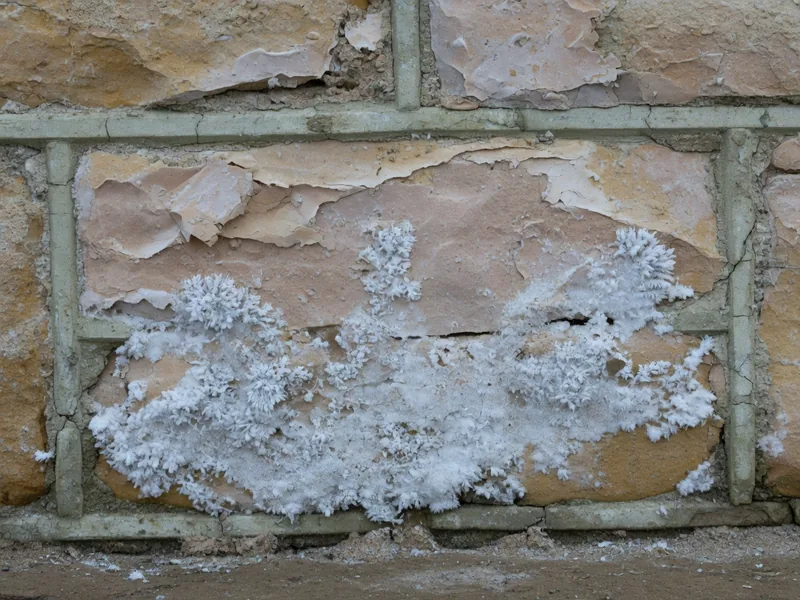
Salt carried up out of the masonry and left behind when the water evaporates. On sandstone it often comes with the surface crumbling away behind it.
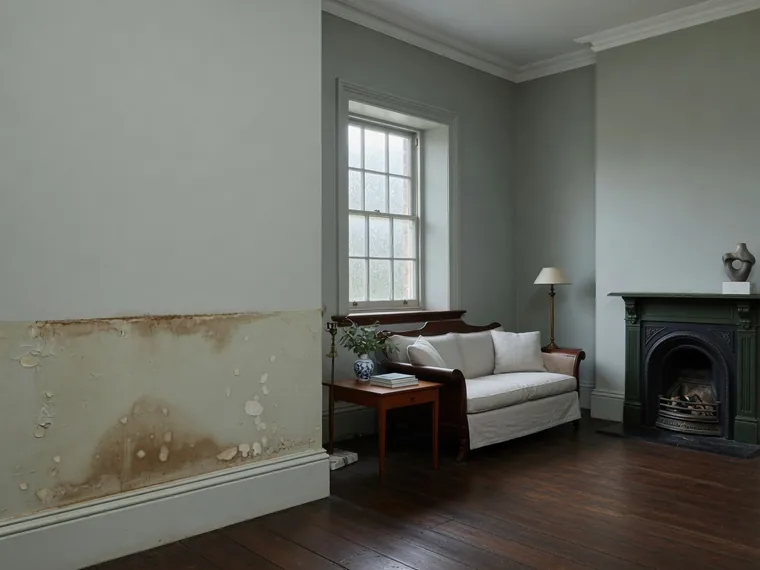
Rising damp has a ceiling — the height where evaporation balances the water being drawn up. A stain that stops in a fairly level line is the classic sign. Water coming from above does not do that.
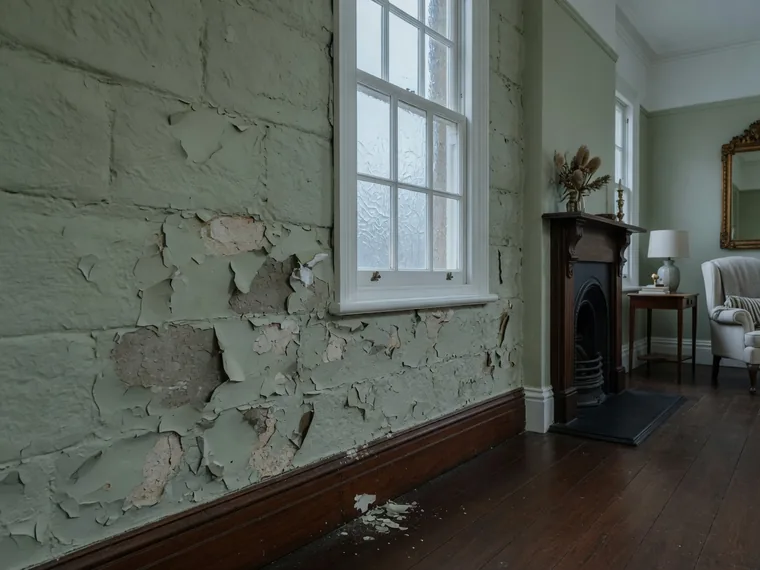
Bubbling, blistering or a chalky powder when you rub it. The wall is pushing moisture and salt outward through the finish.
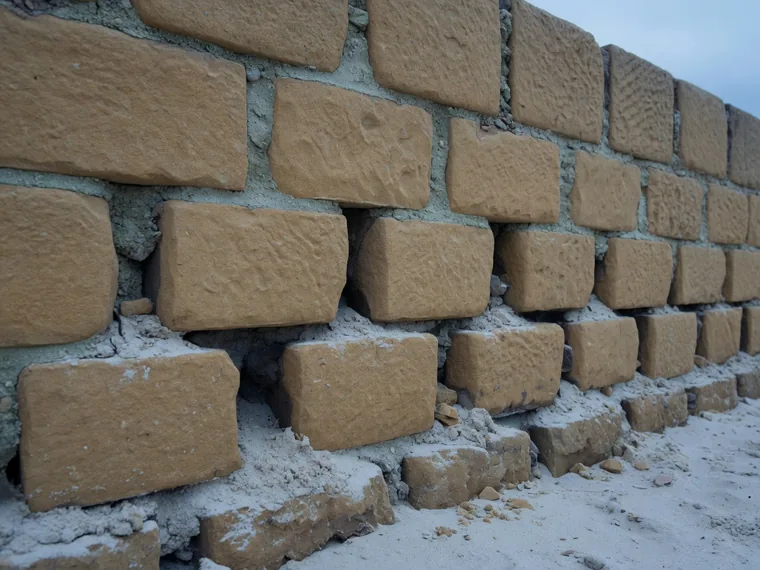
Run a key along a joint. If it powders away, salt has been working in it for a long time.
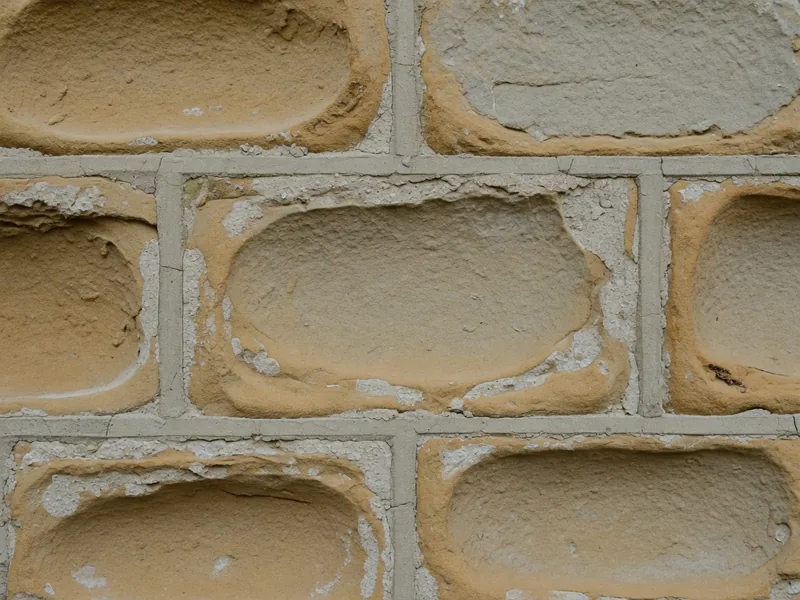
The face of the stone flaking or dishing out. A risk on Hobart's older sandstone, and the most expensive symptom to leave alone.
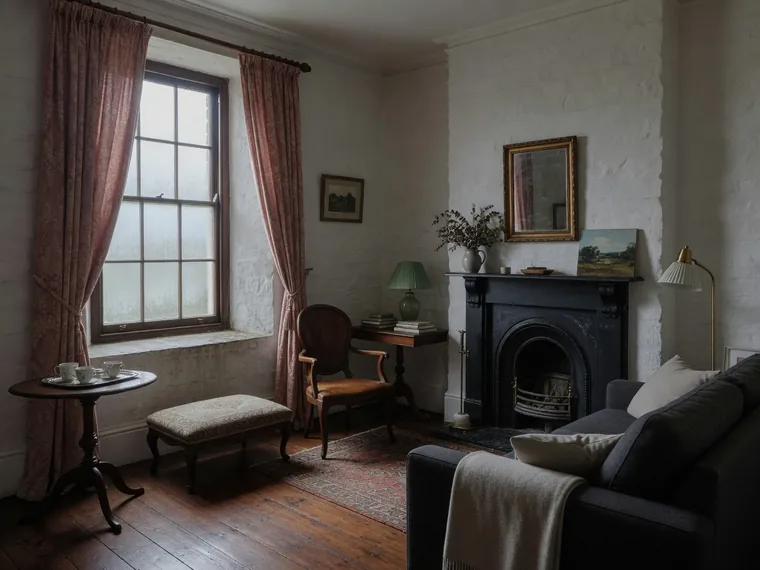
Especially a south-facing room in winter. Worth checking whether it is rising damp or condensation, because the fix is completely different.
It is not the rain. It is that walls here never get a chance to dry out. Hobart only gets about 611mm a year. But it falls in every month, and there is very little sun to pull it back out.
| Month | Rainfall | 9am humidity | Sun per day |
|---|---|---|---|
| January | 46.3 mm | 60% | 8.0 h |
| May | 47.4 mm | 76% | 4.2 h |
| June | 53.6 mm | 79% | 3.9 h |
| July | 51.9 mm | 78% | 4.4 h |
| August | 54.0 mm | 73% | 5.0 h |
| October | 62.0 mm | 63% | 6.5 h |
Source: Bureau of Meteorology station 094029, Hobart (Ellerslie Road). Annual rainfall 611.0mm across 86.8 days of rain of 1mm or more.
What is going on. A wall soaks up moisture from the ground all winter. Through May, June and July the air sits at 76 to 79 per cent humidity at nine in the morning, and June gets under four hours of sun a day. So a wall that takes up water in May has until about September before it gets a real chance to give it back. Somewhere warmer has a dry season that empties the wall out each year. Here it just keeps going.
How we work out what you have. We come out and meter the wall at several heights, check the ground levels outside against the floor inside, and look for anything bridging the base of the wall — paving, a garden bed, a render coat. That separates rising damp from condensation and from a leak, which look similar and are fixed completely differently.
How it gets fixed. Usually ground levels and drainage first, because if water still has a path around the wall then anything installed inside it is wasted. Then a damp course if the wall needs one, then salt-affected plaster off and replaced. The wall itself takes months to dry, and that is normal.
Every figure in the table is the Bureau of Meteorology thirty-year average for station 094029, not our estimate.
The right fix depends on how the wall was built. Hobart has four broad groups, and the last one surprises people — a modern house can get rising damp too.
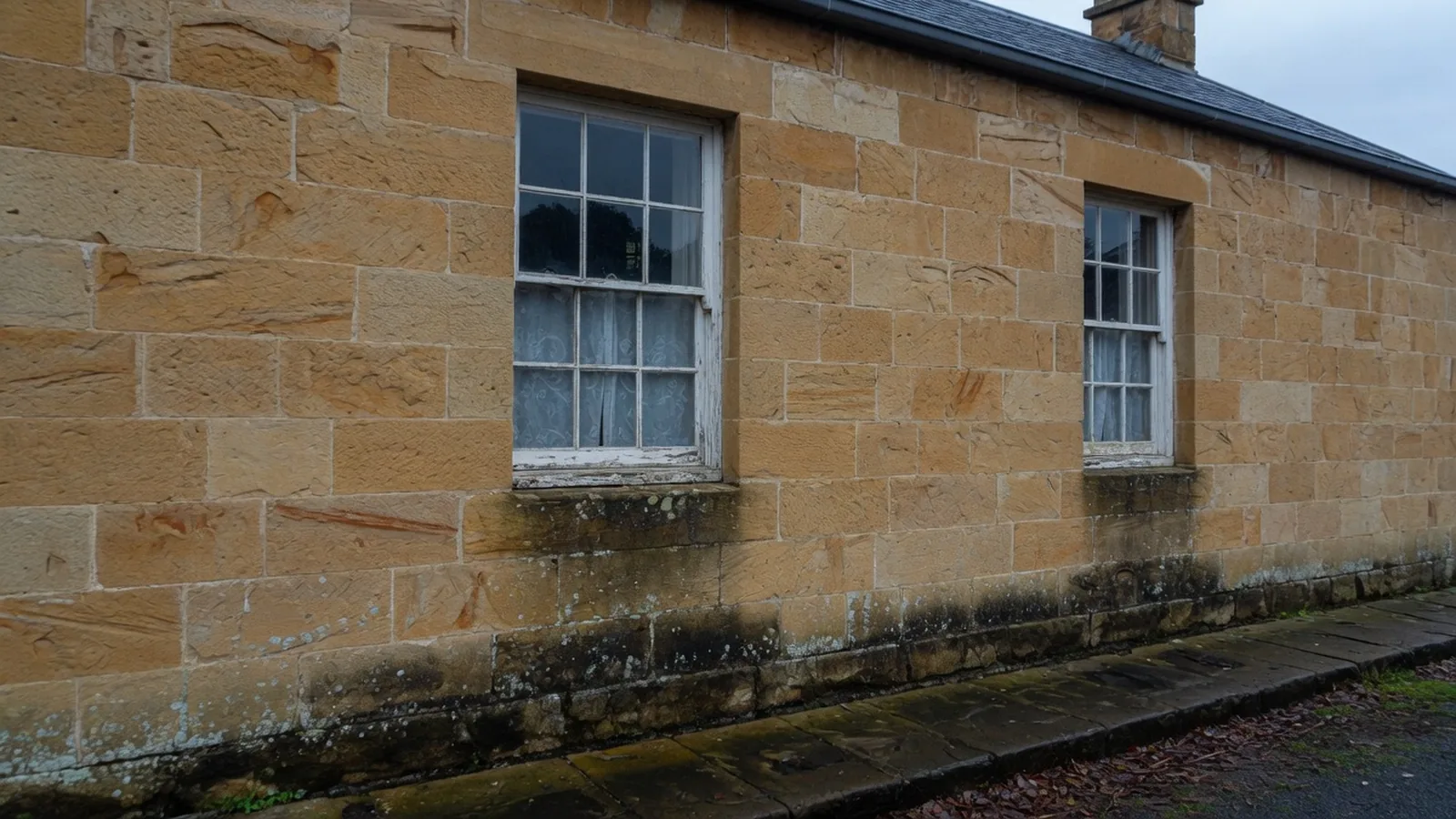
Battery Point, central Hobart, parts of New Town. Solid stone or brick sitting straight on rubble footings, built long before anyone put a damp course in a wall. There is no gap inside the wall, so water that gets into the bottom of it has nowhere to go but up.
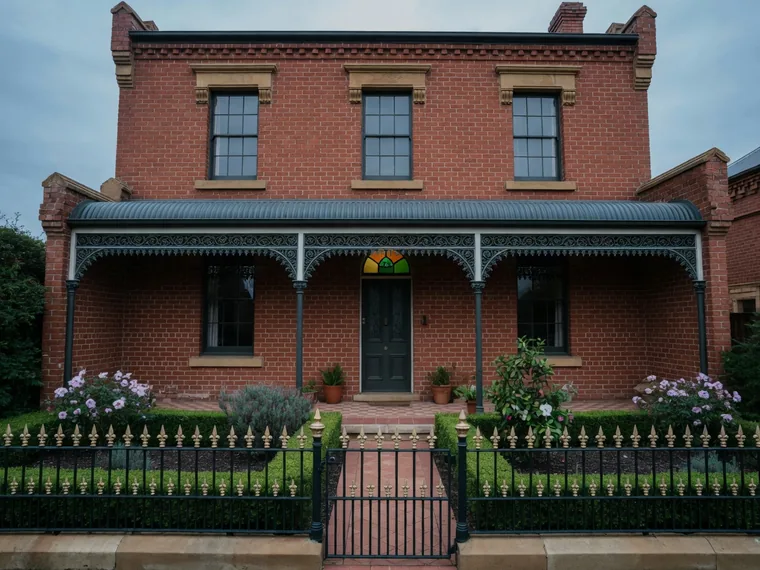
North Hobart, Sandy Bay, South Hobart and Bellerive's village core. Some were built with an early damp course — a layer of slate, lead or tar paper meant to stop water rising. Where one exists, it may have cracked, perished, or been bridged by render, paving or a garden bed piled against the wall.
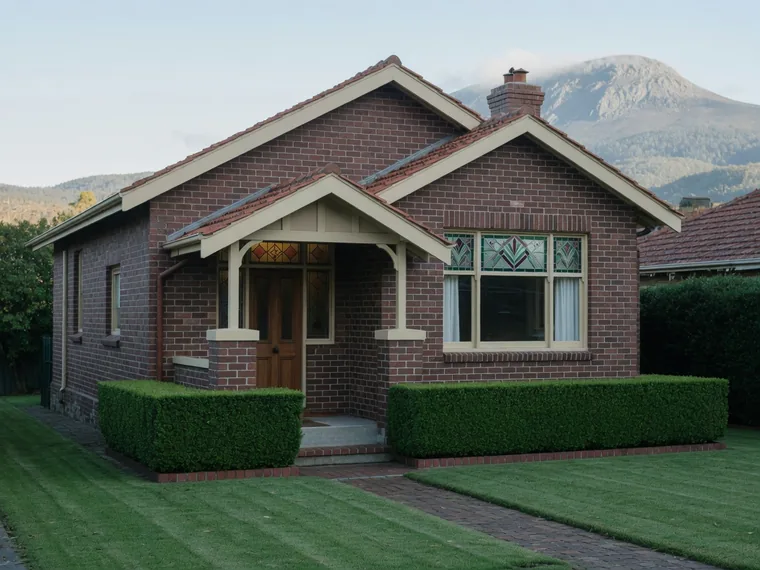
Moonah, Glenorchy, Lenah Valley, and the post-war streets behind Bellerive's village core. Houses of this age are more likely to have been built with a damp course. When damp turns up, check first whether something has been built across the course.
Kingston, Blackmans Bay, the newer parts of Glenorchy and the eastern shore. These are built with a damp course and a cavity and should never get rising damp — and they still do, when the ground outside ends up higher than the course. A raised garden bed, a new concrete path, a re-levelled yard or a slab poured against the wall will all do it. It is the same problem and can be the cheapest version of it to fix, because the answer may be earthworks rather than anything done to the wall.
The methods, what each one suits, and the questions people ask before they spend anything.
Installing a damp proof course into a wall that never had one, or replacing one that has failed.
DPC injectionLevels, drainage, barriers and replastering — and why the order of the work decides the cost.
Damp proofingWater pressing through a wall sideways on a sloping block. Possible on any sloping Hobart block, and easy to misdiagnose.
Lateral dampWhy the white bloom appears, and why sealing or cement-pointing stone makes it worse.
Sandstone frettingWhen Heritage Council approval is needed before works, and what tends to be questioned.
Heritage homesBoth occur in a Hobart winter, they look similar, and the fixes have nothing in common.
Telling them apartWhat to look for before you exchange, and what a building report will and will not tell you about damp.
Pre-purchase dampFor the suspended-floor stock. Much of Hobart's oldest housing has no subfloor at all.
Subfloor ventilationWhat the health question actually turns on, and which of the two problems you are likely to have.
Damp and mouldWhat the May 2018 flash flood left in the ground, and how to check the flood mapping for your own address.
Flood legacy damp
Step 1
We come to the property, meter the walls at several heights, check ground and paving levels against the internal floor, and look for the bridge or the failed course. $450 plus GST, with a written diagnosis.
Step 2
We tell you what it is before we quote a repair — including when it turns out to be condensation, a leaking downpipe or a failed shower rather than rising damp.
Step 3
If the property is on the Tasmanian Heritage Register or in a heritage precinct, that gets established before any method is proposed. It changes what is allowed.
Step 4
One price for the scope, with the exclusions listed plainly.
Step 5
Injection, replastering, drainage or stone repair as diagnosed. One specialist runs the job from start to finish, on time and efficiently.
Step 6
A treated wall does not look better immediately. Masonry gives moisture back slowly — allow months, not weeks, and expect the replastering to be a second visit.
Rising damp has a ceiling — a tide mark that stops in a fairly level line, usually under a metre and a bit. Condensation appears on cold surfaces, often in corners, high on walls and around windows, and it is worst in winter in rooms that are not ventilated. In Hobart both occur and they can occur together, which is exactly why a meter reading beats a guess.
It can be, but the method has to be approved. Works to a registered place need Heritage Council approval — either a certificate of exemption where the impact is negligible, or a development application. Chemical injection of masonry is specifically addressed in Heritage Tasmania's Works Guidelines. Establish that before anyone drills anything.
It makes it more visible and more urgent. Sandstone is porous and draws moisture readily, and the salt left behind crystallises inside the stone and pushes the face off. That is the fretting you see on older Hobart walls. Brick tolerates the same conditions for far longer before it shows.
It is not the amount of rain — Hobart only gets about 611mm a year. It is that the rain falls in every month and the walls almost never get to dry. At nine in the morning from May to July the air sits at 76 to 79 per cent humidity, and June gets under four hours of sun a day. A wall that takes up water in May has until about September to give it back.
Not if something else is feeding the wall. If the ground outside is higher than the floor inside, or paving bridges the wall, or a garden bed has been built against it, the water has a path around any course you install. Ground levels and drainage get corrected first or the injection is wasted money.
Months. Masonry releases moisture slowly and salt keeps coming out of the plaster while it dries. Replastering is normally a separate later visit for that reason. Anyone promising a finished wall in a fortnight is telling you what you want to hear.
Yes. One damp specialist takes the job from the first assessment to the finish. We measure the wall, write down the cause, and give you a fixed quote before any work starts. Any drainage part of the job is done by a licensed plumber, as Tasmanian law requires.
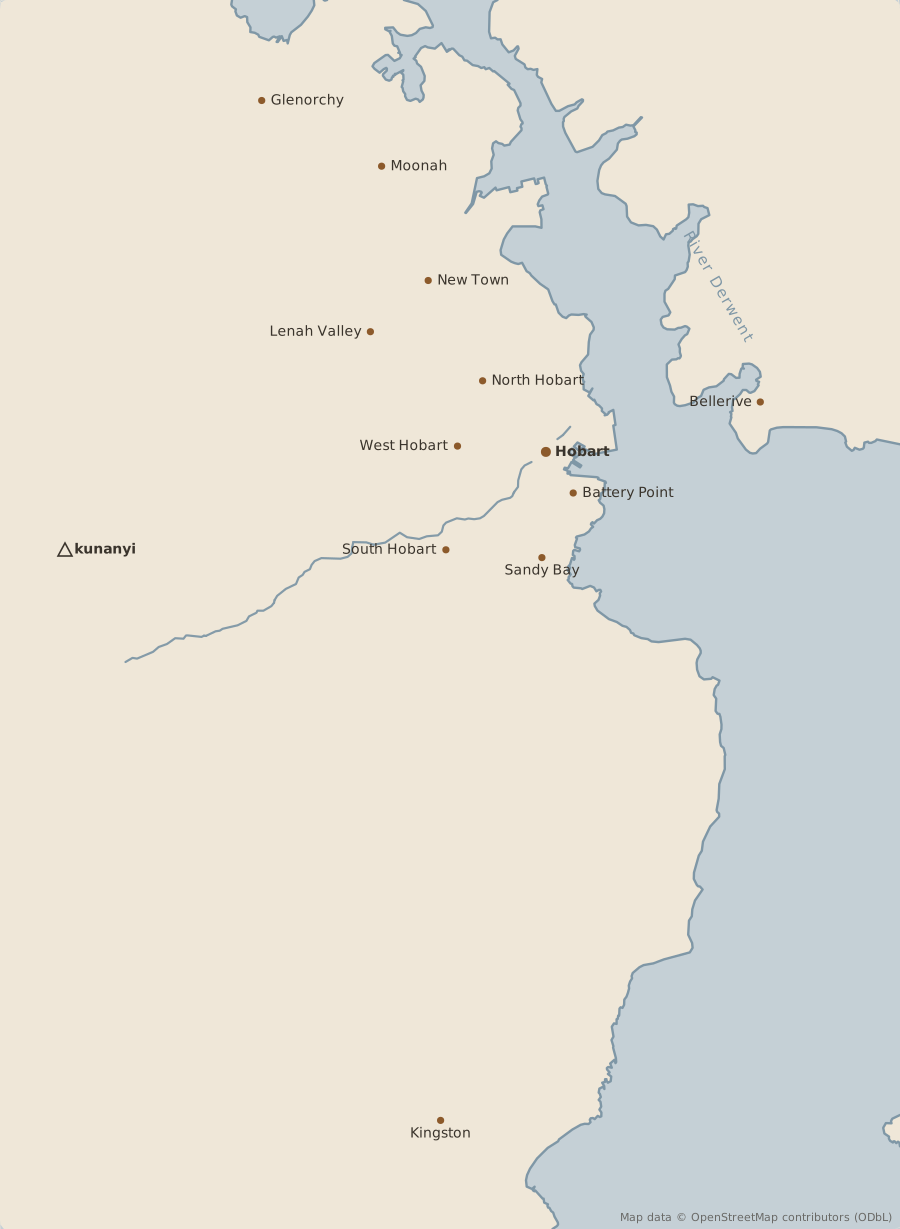
We cover Hobart and the surrounding suburbs, from the Georgian cottages of Battery Point to the post-war brick of Glenorchy and Moonah.
We come out, meter the walls, look at the ground levels and tell you what is causing it. You get that in writing before we quote any repair. The visit is $450 plus GST.