Health
Mould needs moisture. Working out where the moisture comes from is the whole job, and in a Hobart winter it can be condensation rather than rising damp.
Mould is the symptom people act on, because it is visible and because of what they have read about it. Rising Damp Hobart establishes the moisture source first, since cleaning mould off a wall that is still wet simply schedules the next clean.
Black spotted mould in corners, around window reveals, behind wardrobes and on ceilings is most likely condensation. Those are cold surfaces, and cold surfaces in a humid room are where water comes out of the air. It responds to heating, ventilation and extraction rather than to anything done to the masonry.
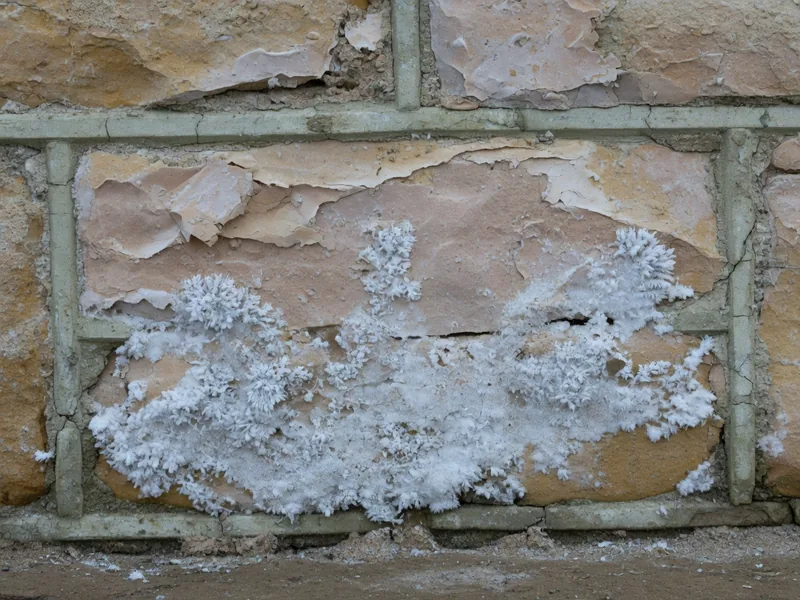
Rising damp produces less mould than people expect, because the salt it carries actively inhibits growth. What it produces instead is a tide mark, salt bloom, lifting paint and soft mortar. A wall with heavy black mould from the skirting to the ceiling and no salt is very unlikely to be a rising damp problem.
Extraction at source in kitchen and bathroom, and air movement in rooms that are shut up. Two weeks of this will tell you a great deal about which problem you have.
A single load releases litres of water into the air. In a cold, closed house that water goes onto the walls.
Intermittent heating produces cold surfaces for condensation to form on. Low continuous background heat produces fewer of them than short bursts.
If the mould persists, or there is salt and a level tide mark, that is when an assessment is worth paying for.
We are not medical practitioners and we do not give health advice. If you are concerned about the effect of mould on someone in the house, that is a conversation for a GP or Public Health, not for a damp specialist. What the assessment can establish is where the water is coming from, which is the part that stops it returning.
We cover Hobart and the surrounding suburbs, from the Georgian cottages of Battery Point to the post-war brick of Glenorchy and Moonah.
We come out, meter the walls, look at the ground levels and tell you what is causing it. You get that in writing before we quote any repair. The visit is $450 plus GST.