The assessment
Up to two hours, a moisture meter, and a look at the ground outside — which is where the answer usually is.
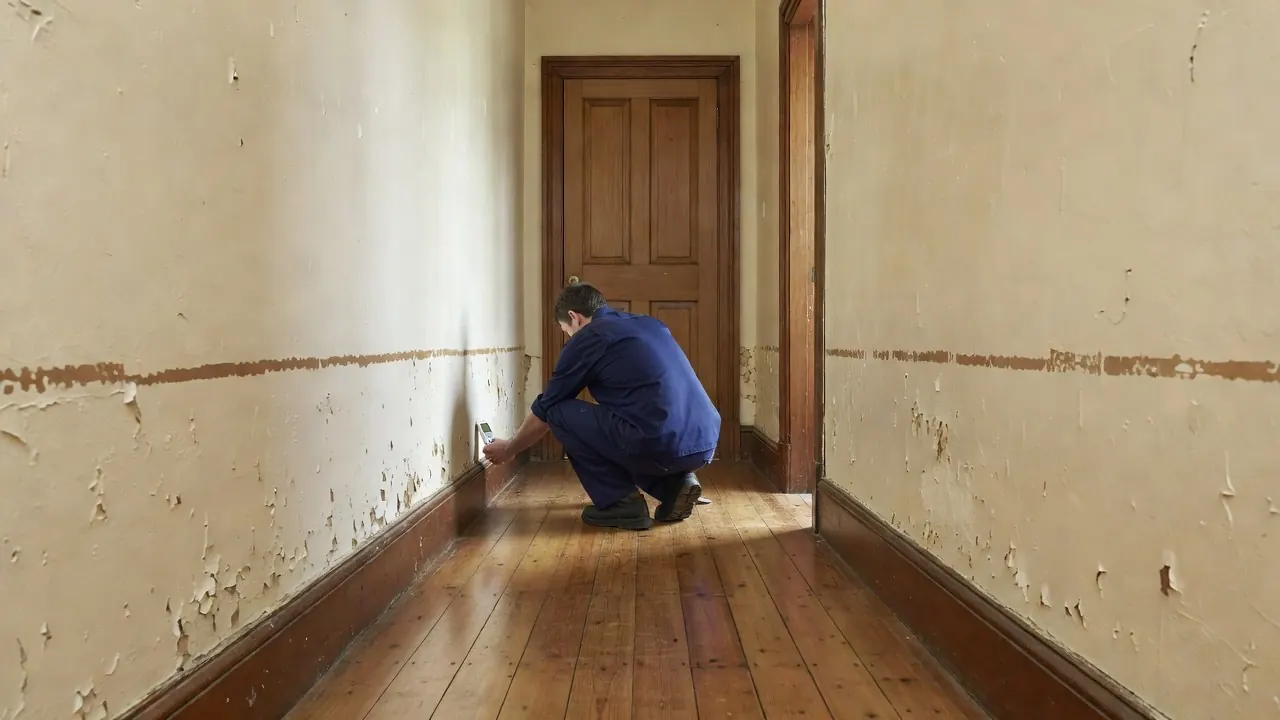
An inspection is a diagnosis, not a sales visit. Rising Damp Hobart carries out an assessment that establishes what is actually wetting the wall before anybody proposes a method, because the three likely causes look nearly identical from inside the room and need completely different work.
A meter is run up the wall in a vertical line. Rising damp shows a gradient — wettest at the base, falling away as it climbs, with a reasonably level ceiling. A leak shows a patch. Condensation shows surface moisture with a dry wall behind it.
The single most informative measurement on the whole visit. If the outside level is at or above the inside floor, that is very likely your answer regardless of what the wall is made of.
Render carried down past the course, a path poured hard against the wall, a garden bed, a later porch slab. On twentieth-century housing this is a cause to rule out first.
Salt deposits confirm water has been moving through the masonry over a long period rather than arriving recently, which changes both the diagnosis and how much plaster has to come off.
Suspended floors get checked for ventilation and standing water. Much of Hobart's oldest stock sits directly on the ground and has no subfloor at all, in which case this step does not apply.
Whether the property is on the Tasmanian Heritage Register or in a heritage precinct is checked before any method is recommended, because it changes what is permitted.
A written finding: what is causing the moisture, which walls are affected and to what height, and what would actually fix it. If the diagnosis is condensation or a plumbing leak rather than rising damp, that is what the report says. We quote for the work the finding supports, and nothing more.
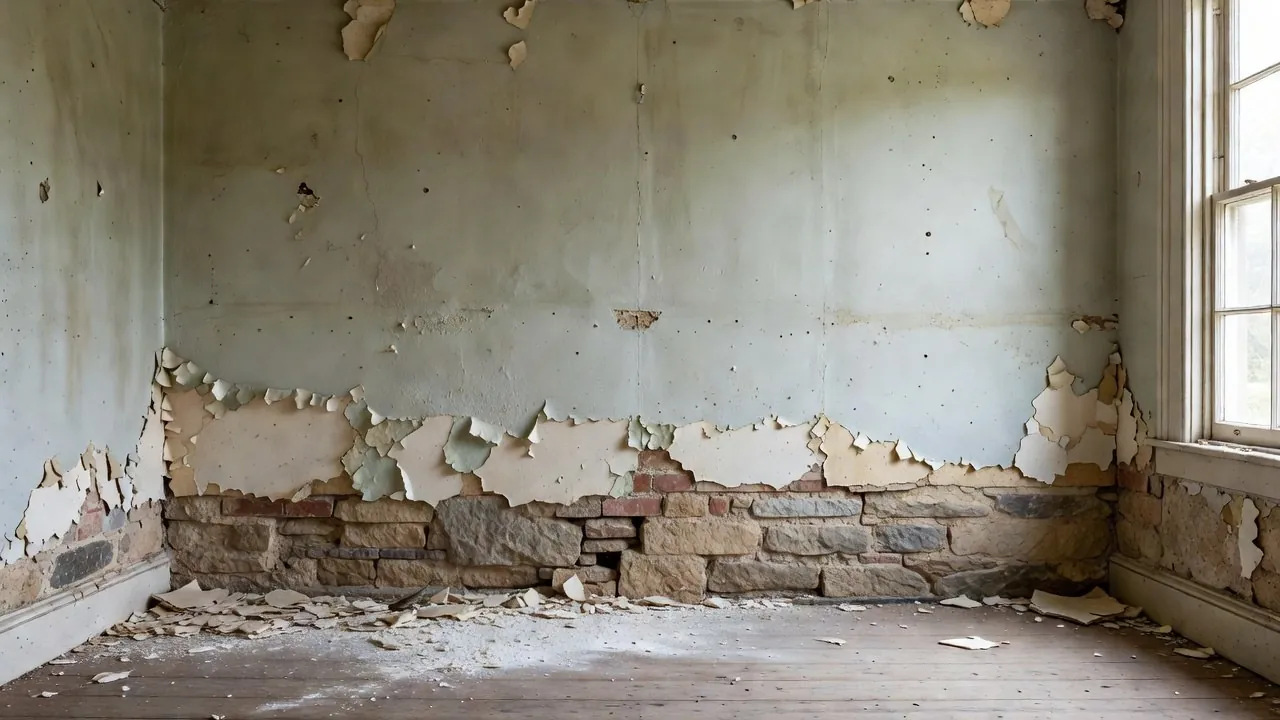
Move furniture away from the affected walls so the meter can reach them, and if you can, leave the room unheated and unaired for a few hours beforehand. A wall that has had a heater on it all morning reads misleadingly dry. If you know when the problem started, or what changed outside around that time — new paving, a rendered plinth, a garden bed, a neighbour's driveway — say so. That history can be the diagnosis.
We cover Hobart and the surrounding suburbs, from the Georgian cottages of Battery Point to the post-war brick of Glenorchy and Moonah.
We come out, meter the walls, look at the ground levels and tell you what is causing it. You get that in writing before we quote any repair. The visit is $450 plus GST.