The wider fix
The whole job is rarely one product. It is usually water management outside plus a barrier inside.
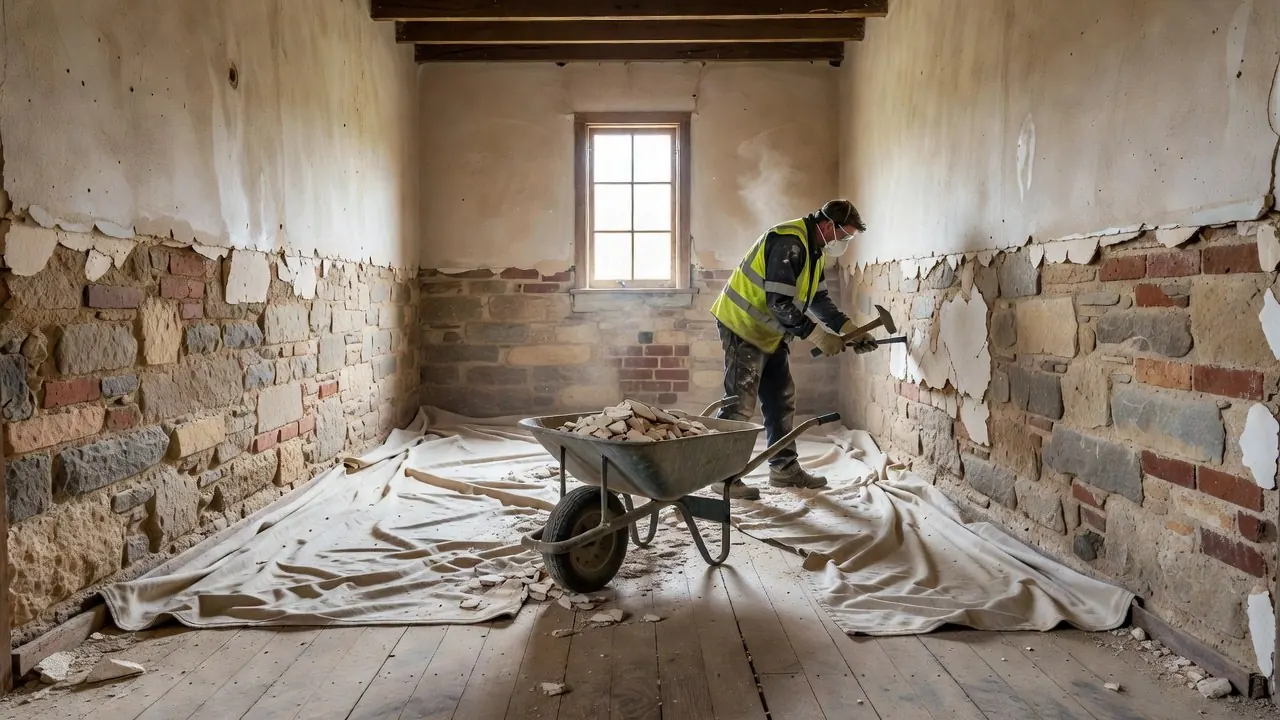
Damp proofing describes everything done to stop a wall taking up ground moisture, not one specific product. On an older Hobart house a full job can take in digging back the ground, the barrier itself and replastering. Rising Damp Hobart runs it as one job, with one specialist responsible from start to finish, and the written quote lists each part.
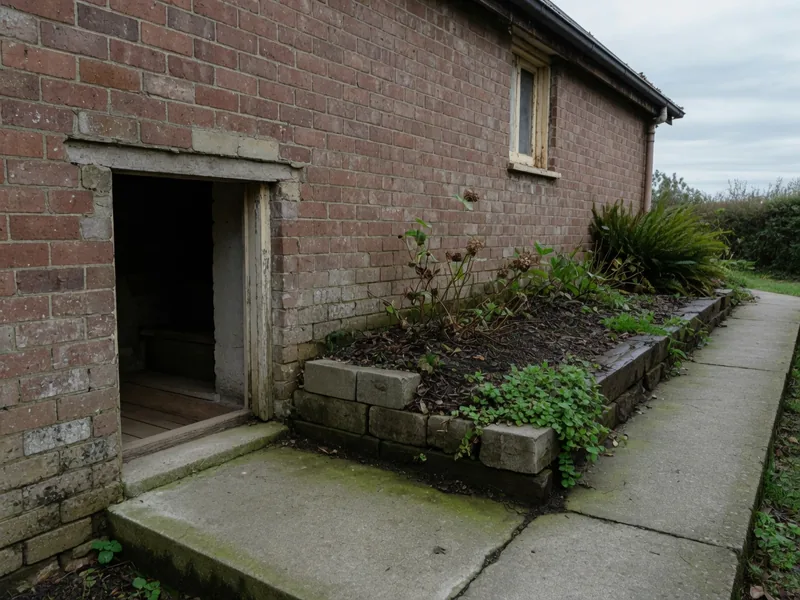
Cutting soil, paving or garden beds back below the internal floor. Often the cheapest change, and an easy one to skip because it is not glamorous.
An agricultural drain or a properly falling surface so water leaves rather than sits. On Hobart's sloping blocks this matters more than the barrier does.
Injected or, rarely, physically inserted, where the wall genuinely has none or the original has failed.
Removing contaminated plaster and replacing it with a render designed to hold salt back from the finished surface.
On sandstone and older brick. Lime mortar lets the wall breathe; cement pointing traps moisture inside the stone and accelerates the decay it was supposed to prevent.
Subfloor vents on suspended floors, and improved airflow in rooms where condensation is doing part of the damage.
Water management comes before barriers, and barriers come before finishes. Replastering a wall that is still taking up moisture wastes the plaster; installing a course under a path that bridges it wastes the course. A sequence that looks slower is normally the one that costs less overall, and any assessment that recommends a finish before establishing where the water is entering should be questioned.
Slow, undramatic improvement. Masonry that has been wet for decades releases moisture over months, and salt continues to migrate out of the wall while it does. A finished-looking wall two weeks after treatment usually means somebody sealed it, which traps the moisture and pushes the damage further up the wall instead of removing it.
We cover Hobart and the surrounding suburbs, from the Georgian cottages of Battery Point to the post-war brick of Glenorchy and Moonah.
We come out, meter the walls, look at the ground levels and tell you what is causing it. You get that in writing before we quote any repair. The visit is $450 plus GST.